European Currencies: Full List of Countries and Their Money, Trends, Analysis
Europe is a region with rich economic and cultural diversity, where many different currencies are used. On this page, you will find an up-to-date table with a full list of European countries and their national currencies, including Eurozone countries and those with their own money.
Table of European Countries and Their Currencies
Below is a full list of 49 European countries and their national currencies. The table includes countries of the European Union as well as countries outside the EU. You can see their ISO codes and currency symbols.
- All
- Eurozone
- EU
- Other
| Country | Code | Symbol | Currency Name |
|---|---|---|---|
| Eurozone: | |||
| Austria | EUR | € | Euro |
| Belgium | EUR | € | Euro |
| Bulgaria | EUR | € | Euro |
| Croatia | EUR | € | Euro |
| Cyprus | EUR | € | Euro |
| Estonia | EUR | € | Euro |
| Finland | EUR | € | Euro |
| France | EUR | € | Euro |
| Germany | EUR | € | Euro |
| Greece | EUR | € | Euro |
| Ireland | EUR | € | Euro |
| Italy | EUR | € | Euro |
| Latvia | EUR | € | Euro |
| Lithuania | EUR | € | Euro |
| Luxembourg | EUR | € | Euro |
| Malta | EUR | € | Euro |
| Netherlands | EUR | € | Euro |
| Portugal | EUR | € | Euro |
| Slovak Republic | EUR | € | Euro |
| Slovenia | EUR | € | Euro |
| Spain | EUR | € | Euro |
| European Union, outside the Eurozone: | |||
| Czech Republic | CZK | Kč | Czech koruna |
| Denmark | DKK | dkr | Danish krone |
| Hungary | HUF | Ft | Hungarian forint |
| Poland | PLN | zł | Polish złoty |
| Romania | RON | l | Romanian leu |
| Sweden | SEK | kr | Swedish krona |
| Other European countries: | |||
| Albania | ALL | L | Albanian lek |
| Andorra | EUR | € | Euro |
| Belarus | BYN | Br | Belarusian rouble |
| Bosnia and Herzegovina | BAM | KM | Convertible mark |
| Georgia | GEL | ₾ | Georgian lari |
| Iceland | ISK | kr | Icelandic króna |
| Kazakhstan | KZT | ₸ | Kazakhstani tenge |
| Kosovo | EUR | € | Euro |
| Liechtenstein | CHF | Fr. | Swiss franc |
| Macedonia | MKD | ден | Macedonian denar |
| Moldova | MDL | L | Moldovan leu |
| Monaco | EUR | € | Euro |
| Montenegro | EUR | € | Euro |
| Norway | NOK | kr | Norwegian krone |
| Russia | RUB | ₽ | Russian rouble |
| San Marino | EUR | € | Euro |
| Serbia | RSD | Дин. | Serbian dinar |
| Switzerland | CHF | Fr. | Swiss franc |
| Turkey | TRY | ₺ | Turkish lira |
| Ukraine | UAH | ₴ | Ukrainian hryvnia |
| United Kingdom | GBP | £ | Pound sterling |
| Vatican City | EUR | € | Euro |
Euro and the Eurozone
The euro (EUR, €) is the single currency of the European Union. It was introduced to make economic connections easier and to strengthen financial stability between European countries. The euro is the official currency in most EU countries and is one of the most important currencies in the world, along with the US dollar.
The Eurozone is a group of EU countries that have officially switched to using the euro as their national currency. As of 2026, the eurozone includes 21 countries out of 27 EU states, including Germany (see currency in Germany today and in the past).
Eurozone countries: Austria, Belgium, Bulgaria, Croatia, Cyprus, Estonia, Finland, France, Germany, Greece, Ireland, Italy, Latvia, Lithuania, Luxembourg, Malta, Netherlands, Portugal, Slovak Republic, Slovenia, Spain.
The euro was introduced for electronic payments in 1999, and cash notes and coins started to circulate on January 1, 2002. The European Central Bank (ECB) and national central banks of eurozone countries manage and control the currency.
Countries Using the Euro Outside the Eurozone
Apart from official eurozone members, there are 6 countries and territories that use the euro as their main currency, even though they are not part of the EU or the European currency union. These are: Andorra, Kosovo, Monaco, Montenegro, San Marino, Vatican City.
Some of these places have official agreements with the EU to use the euro and even issue their own commemorative coins. Others have switched to the euro on their own, without any formal agreement, replacing their old currencies. Still, the euro works as official money in these places, and their economies depend fully on European monetary policy.
So, the euro is used not only in EU countries but also outside them, making it one of the most common currencies in Europe and in the world. The euro is used for many international trade and investment deals, and the eurozone is one of the largest economic areas on the planet.
Other European Currencies
Even though the euro is widely used, there are still many European countries that keep their own national currencies. The reasons can be political, economic, or historical. Below we look at two main groups: EU members without the euro, and other European countries with independent currencies.
EU Countries That Do Not Use the Euro
Out of 27 EU member states, as of 2026, 6 countries still use their own currencies and have not joined the eurozone yet. These are:
- Czech Republic — Czech koruna, Kč;
- Denmark — Danish krone, dkr;
- Hungary — Hungarian forint, Ft;
- Poland — Polish złoty, zł;
- Romania — Romanian leu, l;
- Sweden — Swedish krona, kr;
These countries have different approaches to monetary policy: some have a fixed exchange rate to the euro, while others use floating rates but still focus on the euro as their main trading reference. So, even without being in the eurozone, their economies are closely connected to the euro.
Currencies of Other European Countries
Besides EU members, there are 16 other European countries that are not in the EU and use their own currencies. These include both large economies and small countries with unique monetary systems.
The most stable and important European currencies include:
- The United Kingdom — pound sterling (GBP), one of the oldest and most stable currencies in the world. After Brexit, the pound remains an important reserve currency.
- Switzerland — Swiss franc (CHF), a symbol of financial stability. It is one of the most reliable currencies in the world and is often seen as a "safe haven" for investors.
- Norway — Norwegian krone (NOK), which depends on oil prices but is stable because of a strong economy.
This means that outside the eurozone, Europe has many national currencies — from strong and stable ones (like pound sterling, Swiss franc) to those more affected by inflation and economic changes (like Turkish lira, Ukrainian hryvnia). Despite this variety, the euro is still the main reserve and settlement currency in Europe, influencing even those countries that do not use it directly.
Trends and Outlook for European Currencies
Summary and Conclusions
Today there are 49 countries in Europe (the exact number depends on how you define Europe's borders and political details). Of these, 21 states use the euro (EUR) as their official currency — this group is called the eurozone. Another 6 countries and territories also use the euro, even though they are not formally part of the EU.
The rest of Europe's countries keep their own national currencies. Among them there are several strong currencies with low inflation and high trust in global markets: Pound sterling (GBP), Swiss franc (CHF), Danish krone (DKK), Swedish krona (SEK), Norwegian krone (NOK), Polish zloty (PLN), and Czech koruna (CZK).
Most other European currencies are in some way dependent on the euro — through trade links, foreign exchange reserves, or fixed exchange rates. Even countries outside the EU often use the euro as their main unit for international trade.
Trends and Possible Changes
The main trend in recent years is a gradual expansion of the eurozone. In coming years, some countries are expected to join after meeting certain requirements; others are considering switching to the euro but have no set date yet. At the same time, some EU countries keep their own money because they see it as important for economic independence. Experts note that these currencies are stable and help these countries react flexibly to global economic crises.
In Europe’s currency market, the euro remains the second most important currency in the world, after the US dollar. Its influence covers not only EU countries but much of Europe and nearby regions. In future, it is expected that the euro will become even stronger as a universal tool for international payments, and more countries may join the eurozone.
So, Europe’s currency map is always changing: The euro becomes more common, national currencies become more stable or closer to the European system, and overall there is a trend towards closer cooperation in monetary policy across the continent.
Author team wechselkurse-vergleich.de
Last updated:
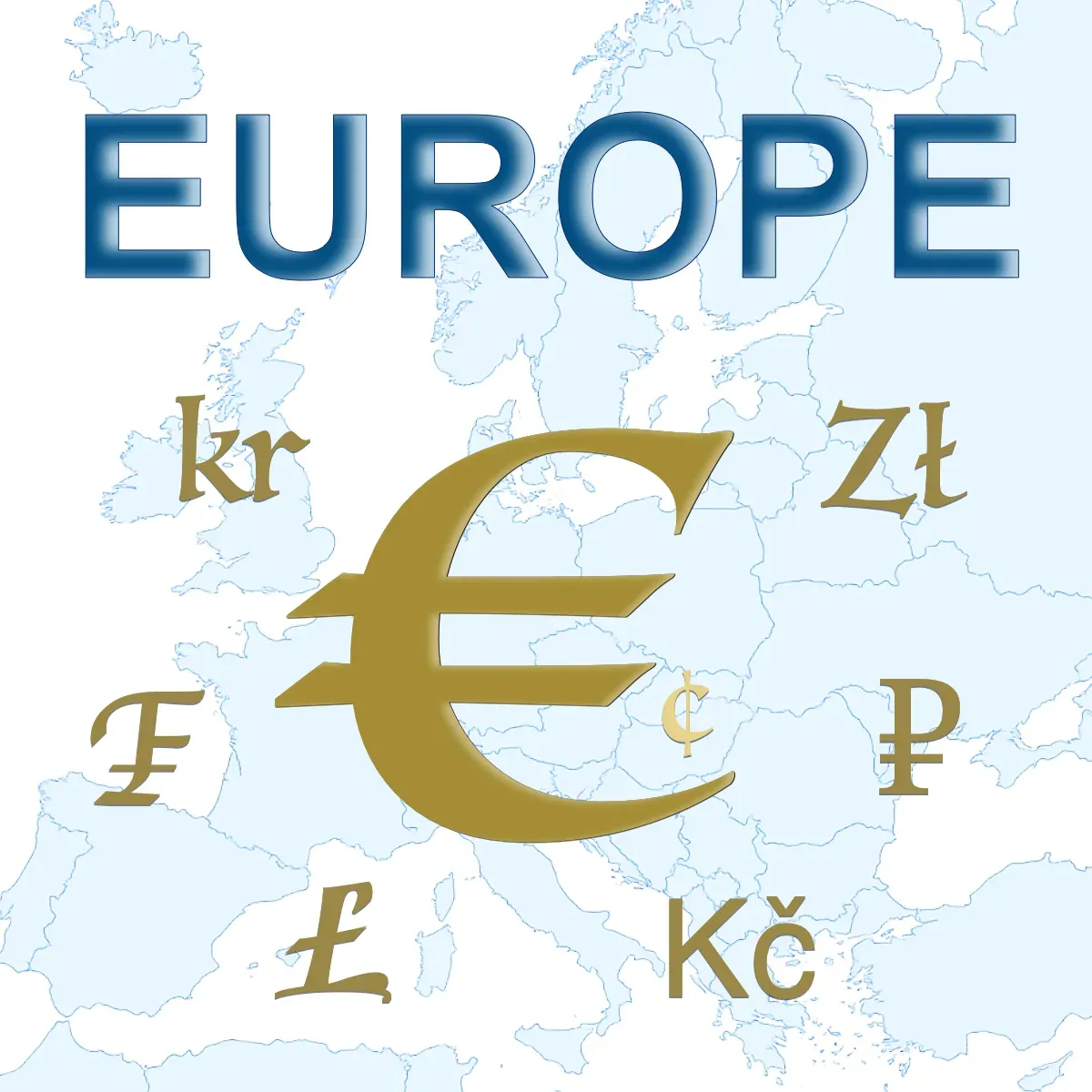
Currencies in European countries: full list of countries and their money